
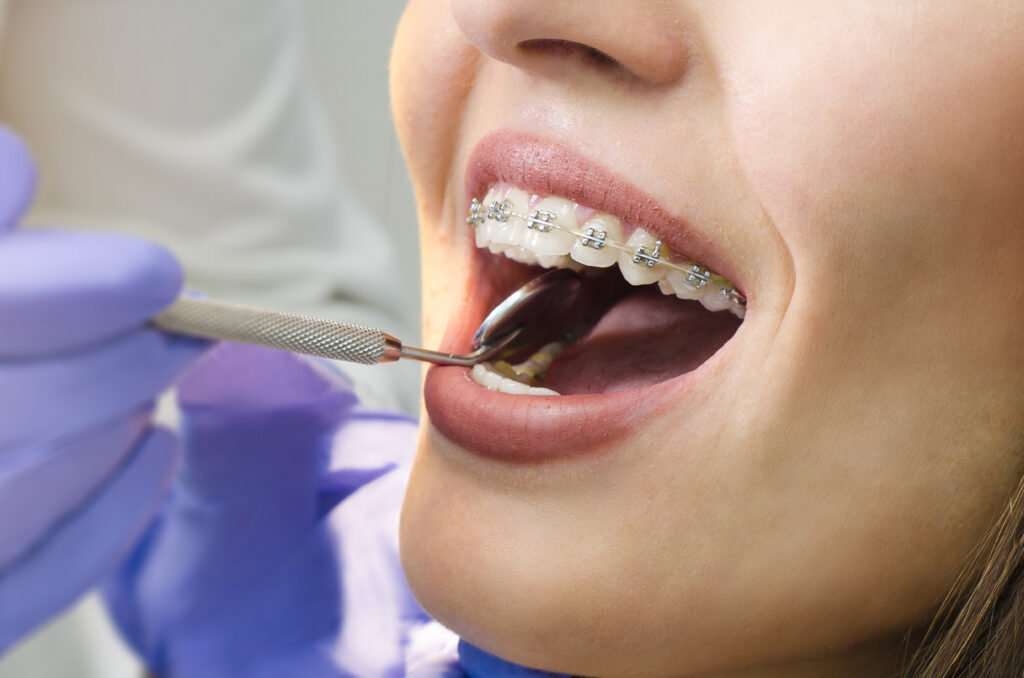
What Are Braces?
Braces are dental devices that help straighten teeth and fix bite problems. Many people choose braces to improve their smile and oral health. In fact, braces are one of the most common treatments in dentistry. They use gentle pressure to move teeth into the right position over time. Because there are many types of braces, you can find an option that fits your needs and lifestyle.
Common Reasons for Getting Braces
People get braces for several reasons. Sometimes, teeth are crowded or crooked. Other times, the upper and lower teeth do not fit together well. Here are some common reasons:
Because braces can fix these problems, they help improve both appearance and function. According to the American Association of Orthodontists, early treatment can prevent bigger dental issues later.
Types of Braces
There are several types of braces available today. Each type has its own benefits. Let’s look at the most common options:
Your dentist or orthodontist can help you choose the best type for your needs.
The Braces Treatment Process
Getting braces involves several steps. Here is what you can expect:
Because each person’s needs are different, the process may take anywhere from several months to a few years.
Benefits and Expected Results
Braces offer many benefits. Not only do they improve your smile, but they also help with oral health. Here are some key benefits:
According to the CDC, good oral health can lead to better overall health. With braces, you can expect lasting results if you follow your dentist’s advice.
Care and Maintenance Tips
Proper care is important during braces treatment. Here are some tips to keep your teeth and braces in good shape:
Because good care prevents problems, you will have a smoother treatment experience.
Potential Side Effects and How to Manage Them
Some people may feel mild discomfort after getting braces. This is normal and usually goes away in a few days. Other possible side effects include:
To manage discomfort, you can use over-the-counter pain relief or rinse with warm salt water. If you have a broken bracket or wire, contact your dentist right away. Most side effects are temporary and easy to manage.
Cost Considerations and Insurance
The cost of braces can vary. Factors include the type of braces, length of treatment, and your location. On average, braces can cost between $3,000 and $7,000 in the United States. Many dental insurance plans cover part of the cost for children. However, coverage for adults may be limited. It is important to check with your insurance provider before starting treatment. Some clinics also offer payment plans to make braces more affordable.
Prevention and Oral Hygiene During Braces
Good oral hygiene is very important during braces treatment. Because braces can trap food, you need to be extra careful. Here are some prevention tips:
With proper care, you can prevent cavities and gum problems while wearing braces.
For more information, you can visit trusted sources like the CDC or the American Association of Orthodontists.
Consult a dental specialist for personalized advice about braces.