
Dental plaque and tartar are common problems that affect many people. The dental plaque & tartar buildup cycle can harm your teeth and gums if not managed. In this blog, you will learn what plaque and tartar are, how they form, and how to prevent them. With simple steps, you can keep your mouth healthy and your smile bright.
What is Dental Plaque?
First, let’s talk about dental plaque. Plaque is a soft, sticky film that forms on your teeth every day. It is made up of bacteria, food particles, and saliva. Because plaque is clear or pale yellow, you may not always see it. However, you can often feel it as a fuzzy layer on your teeth, especially if you have not brushed in a while. Plaque forms quickly after you eat or drink, especially foods high in sugar or starch. According to the CDC, plaque is the main cause of tooth decay and gum disease.
How Does Plaque Turn into Tartar?
Over time, plaque can harden and turn into tartar. Tartar, also called calculus, is a hard, yellow or brown deposit that sticks to your teeth. This happens when plaque is not removed by brushing and flossing. Usually, tartar forms above and below the gum line. Once tartar forms, it is much harder to remove. Only a dentist or dental hygienist can take it off safely. As a result, tartar can lead to more serious dental problems.
The Dental Plaque & Tartar Buildup Cycle Explained
Now, let’s look at how the cycle works:
Because this cycle can happen quickly, daily oral care is very important.
Symptoms and Risks of Plaque and Tartar
Sometimes, you may not notice plaque or tartar right away. However, there are signs to watch for:
Over time, plaque and tartar can cause tooth decay, gum disease, and even tooth loss. According to the WHO, untreated gum disease is a leading cause of tooth loss worldwide.
Diagnosis: How Dentists Detect Plaque and Tartar
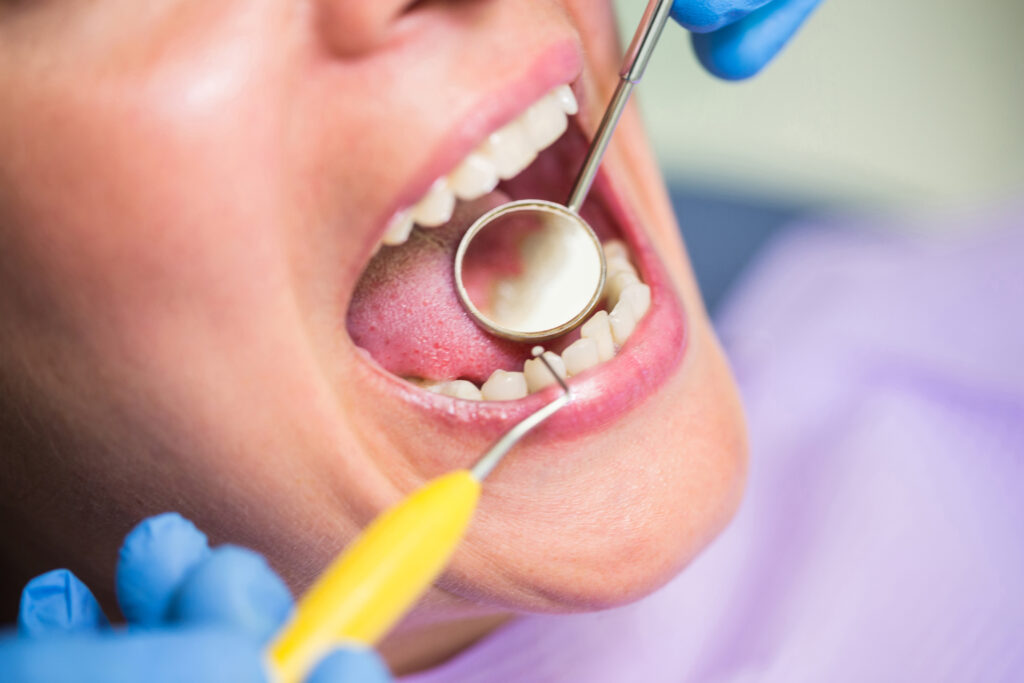
When you visit your dentist, they check for plaque and tartar during your exam. Dentists use special tools and mirrors to look at your teeth and gums. Sometimes, they use a dye to show where plaque is hiding. X-rays may also help spot tartar below the gum line. Early detection helps prevent bigger problems later.
Prevention Tips for Plaque and Tartar
Preventing dental plaque and tartar is easier than treating them. Here are some simple tips:
Because good habits make a big difference, start these steps today.
Effective Treatment Options
Once tartar forms, you cannot remove it at home. Instead, your dentist will use special tools to clean your teeth. This process is called scaling. Sometimes, deeper cleaning is needed if tartar is below the gums. After treatment, your dentist may suggest ways to prevent tartar from coming back. For example, they may recommend more frequent cleanings or special toothpaste.
Daily Oral Hygiene and Lifestyle Guidance
Keeping your mouth healthy takes daily effort. Here are some oral hygiene tips:
Because small changes add up, these steps can help you avoid dental problems. If you are looking for dental care in your area, ask your dentist for local recommendations.
In summary, understanding the dental plaque & tartar buildup cycle helps you take control of your oral health. With daily care and regular dental visits, you can prevent plaque and tartar from harming your smile. Consult your dentist for personalized advice on preventing plaque and tartar buildup.