
Introduction
Preventive dentistry helps keep your teeth and gums healthy. It focuses on stopping problems before they start. One important tool in preventive dentistry is the dental X-ray. The role of dental X-rays in preventive dentistry is to spot issues early, often before you feel pain. Because of this, your dentist can treat problems sooner and help you avoid bigger issues later. Dental X-rays are common in local dental clinics and are safe when used correctly.
What Are Dental X-rays?
Dental X-rays are special pictures of your teeth and jaw. They help dentists see things that are not visible during a regular checkup. There are different types of dental X-rays, each with a unique purpose:
Because each type looks at different areas, your dentist will choose the one that fits your needs best.
Why Are X-rays Important in Preventive Dentistry?
Dental X-rays play a big role in preventive dentistry X-rays. They help your dentist find problems early, even before you notice symptoms. For example, X-rays can show:
Because X-rays reveal these issues early, your dentist can treat them quickly. This can save you time, money, and discomfort. According to the CDC, early detection is key to good oral health.
Safety of Dental X-rays
Many people worry and ask, “Are dental X-rays safe?” The answer is yes, when used properly. Dental X-rays use very low levels of radiation. In fact, the amount is much less than what you get from natural sources in daily life. Dentists use special shields and digital X-rays to lower exposure even more. The World Health Organization and CDC both say dental X-rays are safe for most people. However, pregnant women should tell their dentist before getting X-rays. Your dentist will only take X-rays when needed, not at every visit.
How Often Should You Get Dental X-rays?
Many people wonder how often dental X-rays are needed. The answer depends on your age, oral health, and risk for problems. For example, children may need X-rays more often because their teeth change quickly. Adults with healthy teeth may need them less often. The American Dental Association suggests:
However, your dentist will decide what is best for you. Always ask your local dental clinic for advice that fits your needs.
What to Expect During a Dental X-ray
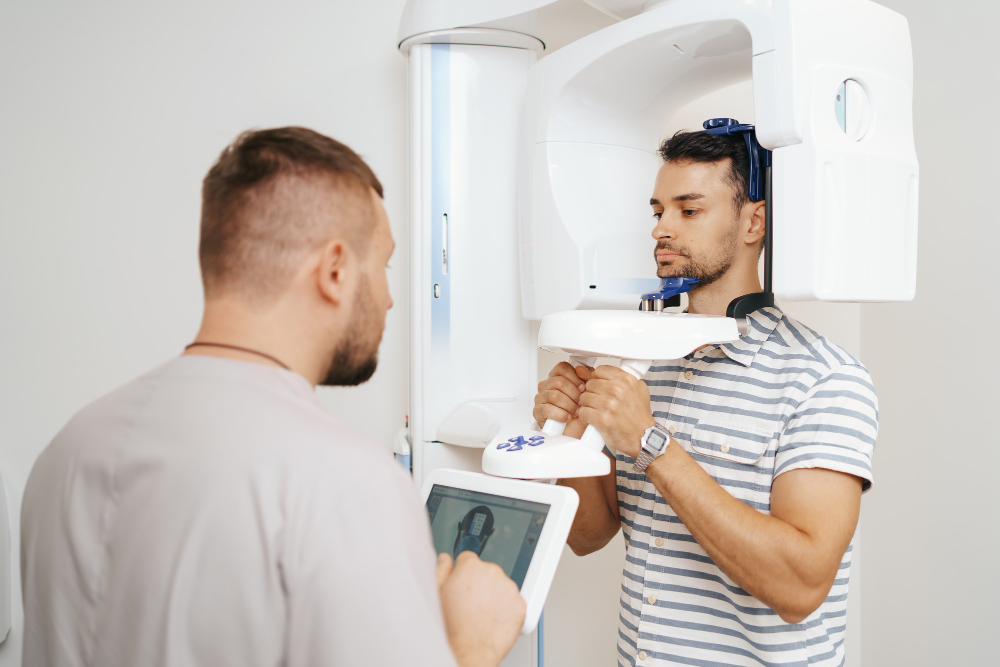
Getting a dental X-ray is quick and easy. First, the dental team will cover you with a lead apron for safety. Next, you will bite down on a small piece of plastic. The X-ray machine will take pictures from different angles. You may need to hold still for a few seconds. After that, the dentist will review the images and explain what they see. The whole process usually takes less than 10 minutes.
Tips for Maintaining Oral Health
Besides getting regular dental X-rays, you can take simple steps to keep your mouth healthy:
Because these habits help prevent problems, you may need fewer X-rays over time.
Conclusion
In summary, the benefits of dental X-rays in preventive dentistry are clear. They help your dentist find and treat problems early. Dental X-rays are safe and quick when done by trained professionals. However, how often you need them depends on your personal needs. Always talk to your dentist for advice about dental X-rays and preventive care. Your dentist can help you make the best choices for your oral health.
Consult your dentist for personalized advice on dental X-rays and preventive care.